Camellia Oil: The 1,000-Year Japanese Beauty Secret That Costs $15
Geisha have used tsubaki oil for centuries. Oshima Tsubaki has been bottling it since 1927.
Before hyaluronic acid, before retinol, before snail mucin — there was tsubaki oil. Camellia japonica oil has been the foundation of Japanese beauty for over a thousand years. Geisha used it to remove their white oshiroi makeup. Sumo wrestlers used it to slick and condition their topknots. Woodblock artists used it to preserve their printing blocks. And ordinary Japanese women have used it on their face, hair, and body as the original multi-use beauty oil since the Heian period (794-1185 AD). One company has been bottling the best version of it since 1927: Oshima Tsubaki, from the volcanic Izu Islands south of Tokyo.
Why camellia oil works on everything
Camellia japonica oil is 80-85% oleic acid — a monounsaturated fatty acid that's structurally almost identical to the oleic acid in human sebum. This is why it absorbs so quickly and feels so natural on skin: your body recognizes it as its own. By comparison, argan oil is about 45% oleic acid, jojoba is 5-15%, and coconut oil is less than 8%. No other plant oil comes as close to matching human skin lipids as camellia. It's also rich in squalene, vitamin E, and polyphenol antioxidants that protect against UV-induced free radical damage.
The practical result: camellia oil absorbs in about 30 seconds without leaving a greasy residue, doesn't clog pores (it's a 1 on the comedogenic scale), and works on every skin type including oily. It softens fine lines by reinforcing the lipid layer between skin cells. It calms inflammation. It conditions hair without weighing it down. It prevents razor burn when applied before shaving. Japanese barbershops have used tsubaki oil as a pre-shave treatment for generations — it's arguably the best pre-shave oil in existence, and it costs $15.
Insight
During the Edo period (1603-1868), camellia oil was so valued in Japan that the Izu Islands — where the best tsubaki trees grew — paid their taxes to the Shogunate in camellia oil instead of rice. An oil so good it functioned as currency.
Oshima Tsubaki: The gold standard since 1927
Oshima Tsubaki has been pressing camellia oil on Oshima Island (part of the Izu archipelago) since 1927. The volcanic soil of the Izu Islands produces camellia japonica with unusually high oleic acid content — higher than camellia grown in mainland Japan, China, or Korea. Oshima Tsubaki cold-presses their oil to preserve the heat-sensitive antioxidants, then refines it to remove impurities while keeping the beneficial compounds intact. The result is a clear, golden, almost odorless oil that feels like liquid silk.
The brand is an institution in Japan. It's available at every drugstore, every convenience store, every train station kiosk. Japanese grandmothers swear by it. Japanese hairstylists use it. It's been a best-seller for nearly 100 years not because of marketing — Oshima Tsubaki barely advertises — but because the product is quietly perfect. A 60ml bottle costs about $15, lasts 3-4 months with daily use, and replaces your face oil, hair oil, body oil, cuticle oil, and pre-shave treatment.

How to use it (the Japanese way)
For face: 2-3 drops after your toner/essence, before moisturizer. Press into skin — don't rub. The oil locks in the hydrating layers underneath while adding its own lipid replenishment. For hair: 1-2 drops rubbed between palms, then smoothed over damp hair focusing on mid-lengths and ends. It tames frizz, adds shine, and protects against heat styling without the silicone buildup of Western hair serums. For pre-shave: 3-4 drops massaged into the beard area before shaving cream. The oil creates a slip layer that lets the razor glide without friction. For body: mix 4-5 drops into your body lotion for extra moisture in winter, or apply directly to elbows, knees, and cuticles.
The full Japanese oil routine
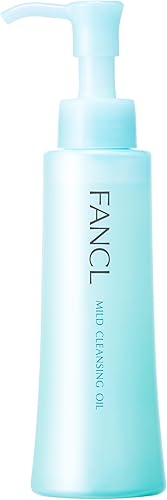
Camellia oil fits into the classic Japanese skincare framework: oil cleanse → water cleanse → hydrating toner → oil seal. Start your evening with Fancl Mild Cleansing Oil to dissolve sunscreen and grime (Fancl is preservative-free and pharmacist-developed — the gentlest oil cleanser in Japan). Follow with a simple water-based cleanser like Cow Brand Mutenka Cleansing Milk — another Japanese drugstore legend that's been reformulated for sensitive skin since the Meiji era. Then layer Hada Labo Premium Lotion (5 types of hyaluronic acid) while skin is still damp, and seal everything with 2-3 drops of Oshima Tsubaki. Oil bookends: oil to cleanse, oil to seal. This is how Japanese women have maintained glass skin long before K-beauty coined the term.


The cost comparison that reveals the luxury markup
Total cost comparison
Average luxury face oil (Drunk Elephant Marula, Herbivore Lapis)
$72
Oshima Tsubaki Camellia Oil (60ml)
$15
Drunk Elephant Virgin Marula Luxury Facial Oil costs $72 for 30ml. Herbivore Lapis Blue Tansy Oil is $72 for 30ml. Tatcha Camellia Cleansing Oil is $48 for 150ml. Oshima Tsubaki is $15 for 60ml of pure, cold-pressed camellia oil from the same islands that have produced it for a millennium. The luxury oils aren't bad products — but you're paying for branding, packaging, and the Sephora shelf fee. Oshima Tsubaki is paying for volcanic soil and a 97-year-old press.
Tip
Multi-use test: replace your face oil, hair serum, cuticle oil, and pre-shave treatment with one bottle of Oshima Tsubaki for 30 days. Track how many products it replaces. Most people find it eliminates 3-4 separate purchases. At $15, the ROI is absurd.
Next level
If camellia oil clicks for your skin, explore the full Japanese oil cleansing method: use Fancl Mild Cleansing Oil as your first cleanse, then follow with your water-based cleanser and a few drops of Oshima Tsubaki as your final moisturizing step. Oil bookends — the Japanese secret to perpetually hydrated skin.